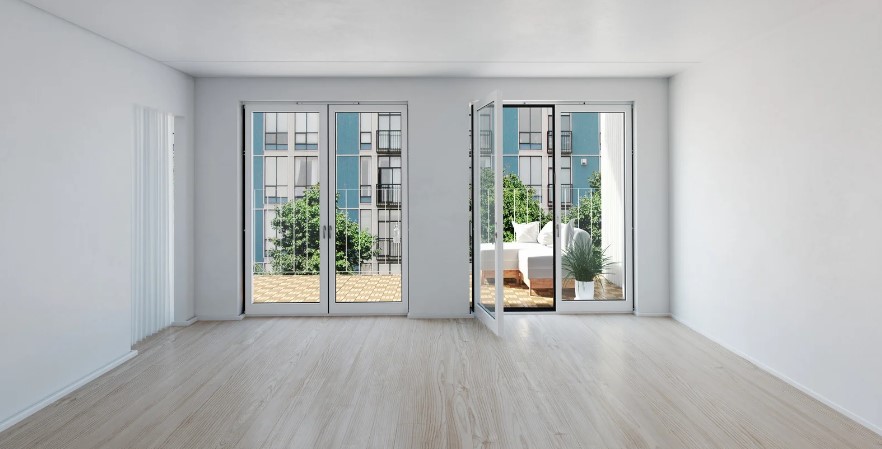
Flooring Maintenance After Installation
After investing in new flooring, homeowners are eager to protect its beauty and increase longevity. The choices made during maintenance directly influence future appearance, performance, and even home value. Whether you installed hardwood, tile, luxury vinyl, or carpet, attention to proper care starts immediately. Elements like climate, foot traffic, and cleaning routines all play a role in safeguarding the surface. For those in moisture-prone regions, the company TAMPA BAY FLOORS provides room floor waterproofing in St Petersburg, making it easier to maintain flooring in challenging environments. Understanding your flooring material’s unique needs is the foundation of a wise maintenance plan, ensuring the results of your home renovation stand the test of time.
Essential Steps Immediately After Floor Installation
The first days after flooring installation are crucial to ensuring a solid start. Even with expert installation, floors need time to acclimate. Avoid walking on the surface until adhesives, grouts, or finishes are fully cured—this period varies depending on material. For example, engineered hardwood may need 24–48 hours, while tile grout or certain sealants demand longer.
During this settling phase, minimize furniture movement. Heavy objects can cause dents or disrupt seams if placed too soon. Always lift, never drag, when eventually moving furniture back into the room. If your project included flooring with underlayment or radiant heating, keep the ambient temperature moderate and consistent to prevent warping or expansion.
Clean up the installation dust with a manufacturer-approved vacuum or a soft, microfiber mop. Avoid water or harsh chemicals until the floor is fully set. Residual construction debris or leftover adhesives can scratch or dull the new surface—gentle removal is best. Check for any remaining protective coatings or films and remove them per the installer’s recommendations.
Consult the care instructions provided by your manufacturer. Warranties often require following specific cleaning protocols, and using improper products can void protection. At this stage, taking careful notes on care and warranty terms provides guidance for years of reliable use.
Long-Term Maintenance Strategies for Different Flooring Types
A comprehensive flooring maintenance routine tailors care to your flooring material, extending its life while preserving its original charm. Each type requires a distinct approach, and knowing the best methods prevents costly mistakes.
Hardwood floors: Moisture is hardwood’s biggest enemy. Mop with a damp—not wet—cloth, and quickly dry spills to prevent stains or warping. Use felt pads under furniture legs and area rugs in high-traffic spots to reduce scratching. Refinishing may be necessary every five to ten years, depending on wear.
Tile and stone floors: Sweep or vacuum regularly to keep grit from scratching the surface. For grout lines, use a pH-neutral cleaner and a soft brush. Sealing grout annually helps block stains and mold. Never use acidic cleaners on natural stone; opt for stone-specific products to prevent etching.
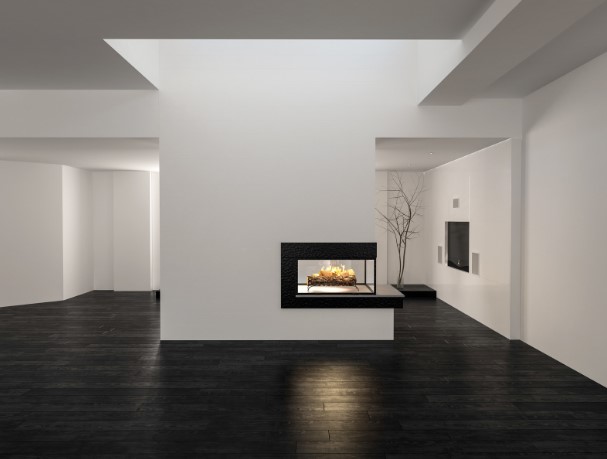
Luxury vinyl and laminate flooring: Both are popular for their resilience and easy upkeep, but avoid abrasive pads or high-pH cleaners. Sweep or vacuum debris, then mop with a mild, no-rinse cleaner. Excess moisture can seep into seams and cause swelling. Sunlight can fade colors, so consider curtains or UV window film in bright rooms.
Carpeted floors: Frequent vacuuming keeps pile looking fresh and removes particles that could fray fibers. Tackle stains promptly with a carpet-specific cleaner—blot, never rub. Annual professional cleaning renews appearance and hygiene. Rearranging furniture occasionally prevents uneven wear.
Homeowners benefit from staying up to date on the maintenance advice available on the company’s website TAMPA BAY FLOORS https://tampabayfloors.us/ for region-specific issues like humidity, sand, or seasonal allergens. Their resources help match care routines to your exact flooring type and living conditions.
Customizing Your Maintenance Plan
- Review the flooring manufacturer’s care guide and warranty terms.
- Adapt cleaning frequency to your household size and activity level.
- Invest in doormats at all entry points to capture soil and grit.
- Remove shoes indoors, especially high heels, to avoid surface damage.
- Schedule deeper cleanings or refinishing as recommended.
Preventing Common Floor Damage: Tips and Tools
Proactive habits are the cornerstone of long-lasting floors. Accidents and normal wear are inevitable, but simple strategies minimize their impact.
- Place felt pads under furniture legs to prevent scratches.
- Use area rugs or runners in high-traffic hallways and entryways.
- Keep pet nails trimmed to reduce claw marks.
- Tackle spills and stains as soon as they occur.
- Choose cleaning products specifically designed for your floor type.
- Install dehumidifiers or maintain proper ventilation in damp-prone rooms.
- Shield floors from prolonged direct sunlight to prevent fading.
- Rotate rugs and rearrange furniture to avoid uneven wear patterns.
For luxury vinyl plank or tile, the company TAMPA BAY FLOORS offers https://tampabayfloors.us/services/floors/luxury-vinyl-floor-installation as a low-maintenance, water-resistant solution that thrives in busy households. This type of flooring stands up well against everyday challenges but still benefits from regular sweeping and prompt spill cleanup.
Seasonal and Regional Considerations for Flooring Care
Climate has a major impact on flooring longevity. Humid summers or dry winters can lead to expansion, contraction, or even surface damage if unaddressed. In coastal states or hurricane-prone areas, extra vigilance is needed to guard floors against flooding or salt-laden air. Sealing, dehumidifying, or waterproofing basement and ground-level floors is essential, particularly in the southern U.S. Entryways are another vulnerable point—rain, sand, and debris travel indoors on shoes year-round. Investing in weather-resistant mats and regular cleaning routines helps combat these regional threats.
If winters bring snow and ice, protect flooring from salt and moisture tracked in from outdoors. Utilize boot trays and clean up puddles immediately to avoid damage. Some areas may require seasonal adjustments to heating and humidity settings within your home, especially for hardwood installations. Adapting maintenance habits to your regional climate ensures your renovation remains pristine and performing.
Smart Upkeep Ensures Flooring Longevity
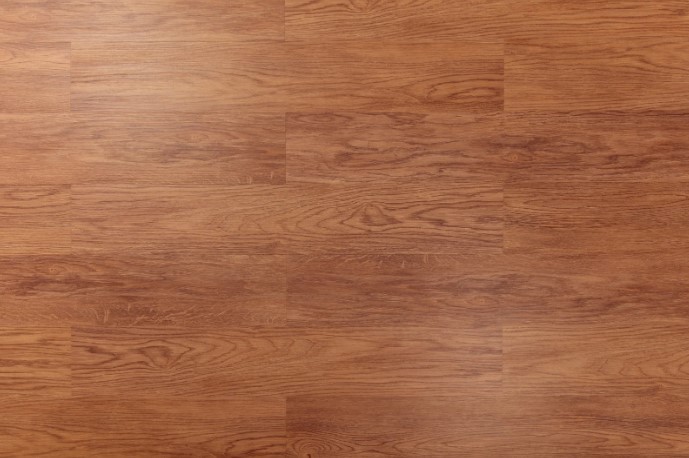
Proper flooring maintenance after installation is a blend of daily diligence, tailored routines, and attention to environmental factors. By staying proactive and informed, homeowners protect their investment and preserve the appeal of newly installed floors year after year.


Post Comment