European Breakfast Staples: Cereals, Jams, Crispbread and Honey
Contents:
- Why European Breakfast Traditions Deserve Real Attention
- The European Breakfast Keyword, Explained
- Context and Background: How These Traditions Formed
- Crispbread’s Scandinavian Origins
- Key Breakfast Categories, Broken Down
- Crispbread and Dense Whole-Grain Bread
- Real Fruit Preserves
- Honey Traditions
- Muesli and Oat-Based Cereal
- Cultured Dairy: Quark, Yogurt, and Skyr
- Practical Tips for Building a European Breakfast Pantry
- How to Actually Prepare It
- Common Mistakes to Avoid
- Real Examples From European Breakfast Tables
- A Seasonal Timeline Worth Knowing
- Why Rudcafood Fits Into This Picture
- Frequently Asked Questions
- What makes European jam different from American jam?
- How should muesli actually be prepared?
- What is quark, and how is it different from yogurt?
- Is single-origin honey actually different from regular honey?
- Where can I buy authentic European breakfast staples online?
- Conclusion
Here’s a number that surprises most people: the average American breakfast cereal contains roughly 10-12 grams of sugar per serving, while many traditional European breakfast staples, muesli, crispbread, and even fruit jam eaten in the small portions typical of a European breakfast table, land at a fraction of that. Breakfast in much of Europe simply wasn’t built around a sugar-forward model the way the American cereal aisle was, and once you understand what actually fills a European breakfast table, it’s easy to see why so many home cooks are switching over.
Why European Breakfast Traditions Deserve Real Attention
Breakfast reveals a lot about a food culture’s priorities, and European breakfast traditions consistently favor whole grains, real fruit, and minimal processing over the convenience-driven, sugar-forward model that dominates American cereal aisles. This isn’t a trend or a diet fad picked up recently; it reflects centuries of agricultural and culinary tradition built around what farms in a given region actually produced, dense rye and wheat, orchard fruit preserved into jam, honey from local apiaries, and cultured dairy that stored well before refrigeration existed.
The European Breakfast Keyword, Explained
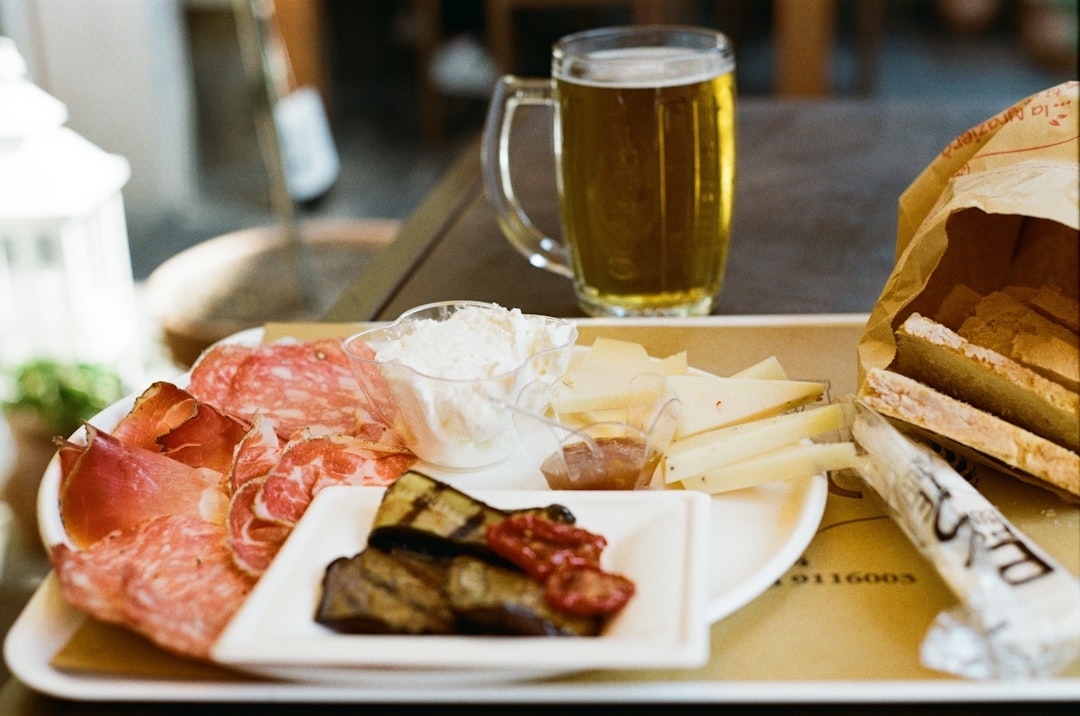
When people search for “European breakfast,” they’re usually picturing one of a few specific regional versions: the Scandinavian open-faced sandwich tradition, the German or Central European bread-and-cold-cuts spread, or the French continental pairing of bread, butter, and jam. Each of these shares a common thread, real, minimally processed ingredients eaten in reasonably modest portions, rather than one giant bowl of a single sugary product.
Context and Background: How These Traditions Formed
Much of Northern and Central European breakfast culture developed around what could be stored through long winters without refrigeration: dense rye bread that stayed fresh far longer than soft wheat bread, fruit preserved into jam at the height of summer harvest, honey that never spoils if stored properly, and fermented dairy products like quark or yogurt that extended milk’s usable life. These weren’t breakfast foods chosen for flavor alone; they were breakfast foods chosen because they were reliably available and nutritionally dense enough to fuel a full day of physical work, often agricultural labor, before a mid-day or evening main meal.
Crispbread’s Scandinavian Origins
Crispbread, the thin, dense, cracker-like bread common across Scandinavia, dates back centuries as a practical solution to short growing seasons and limited grain surplus. Made from rye flour and baked into a dry, shelf-stable form, it could be stored for months without spoiling, a critical advantage in a climate where fresh bread baking wasn’t always practical. Modern crispbread retains that same basic form and remains a daily breakfast staple across Sweden, Norway, and Finland, now valued as much for its whole-grain nutritional profile as its historical practicality.
Key Breakfast Categories, Broken Down
Crispbread and Dense Whole-Grain Bread
Beyond Scandinavian rye crispbread, Germany and much of Central Europe favor dense, whole-grain sourdough breads, pumpernickel being perhaps the most recognizable to American shoppers, typically dark, dense, and slightly sweet from a long, slow baking process. These breads serve as the base for most of what goes on top, whether that’s butter and jam, cured meat and cheese, or a simple spread of quark.
Real Fruit Preserves
European Fruit Jams differ meaningfully from many mass-market American jams, which often rely heavily on high-fructose corn syrup and pectin additives to hit a specific texture at the lowest possible cost. Traditional European preserves, particularly from Germany, France, and Eastern Europe, tend to use higher fruit content relative to sugar, sometimes 60% fruit or more, resulting in a preserve that tastes distinctly of the actual fruit rather than primarily of sweetness. Regional specialties worth knowing include German quince preserve, French apricot confiture, and Eastern European plum butter (povidla or lekvar), each reflecting fruit that grows abundantly in that specific region.
Honey Traditions
European honey culture places significant value on single-origin and single-flower honey, acacia, linden, buckwheat, and chestnut honey each carrying distinct flavor profiles tied to the specific blossoms bees fed on during a given harvest period. This is a meaningfully different approach than the generic “clover honey” blend common on most American shelves, which typically combines honey from multiple sources into one standardized product without regard to flavor nuance.
Muesli and Oat-Based Cereal
Muesli, developed in Switzerland in the early 1900s by physician Maximilian Bircher-Benner as a health-focused breakfast, combines raw or lightly toasted oats with dried fruit, nuts, and seeds, traditionally soaked overnight in milk or yogurt rather than eaten dry with cold milk the way American cereal typically is. This preparation method softens the oats and melds the flavors together, producing a genuinely different texture and eating experience than a bowl of dry American cereal.
Cultured Dairy: Quark, Yogurt, and Skyr
German and Central European quark, a soft, spreadable fresh cheese with a tangy flavor similar to a cross between yogurt and cream cheese, plays a central role in breakfast across that region, often mixed with fruit or honey. Icelandic skyr, technically a cultured dairy product similar to yogurt but strained to a much thicker consistency, has grown significantly in US popularity over the past decade for its high protein content and minimal added sugar compared to flavored American yogurt.
Practical Tips for Building a European Breakfast Pantry
Start with crispbread or a dense whole-grain bread as your base, since it stores well and pairs with nearly everything else on this list. Add one genuine fruit preserve, checking the ingredient label for high fruit content rather than sugar and pectin as the first ingredients, and one single-origin honey to taste the difference from a generic blend. Round things out with a bag of traditional muesli and, if you can find it, quark or skyr for the cultured dairy component. This five-item starter pantry covers the core of a proper European breakfast without requiring you to source a dozen different specialty items right away.
How to Actually Prepare It
Soak muesli in milk or yogurt overnight in the refrigerator rather than eating it dry, this single change makes an enormous difference in texture and is how the dish is traditionally meant to be eaten. Spread quark generously on crispbread and top with a spoonful of fruit preserve or a drizzle of honey for a quick, protein-forward breakfast that takes under two minutes to assemble. For a heartier version, add a slice of cured meat and cheese alongside the bread, following the German and Central European cold breakfast spread tradition.
Common Mistakes to Avoid
The most frequent mistake is buying a jam labeled “European-style” without checking the ingredient list, since domestic manufacturers frequently use that phrase as a marketing term without actually matching the higher fruit content or lower sugar ratio of a genuine imported preserve. Another common error is treating muesli exactly like American cereal, pouring cold milk over it and eating immediately, which skips the soaking step that develops its intended texture and leaves the oats unpleasantly hard and dry. Shoppers also frequently default to a generic “clover honey” out of habit rather than trying a single-origin option, missing out on the flavor variation that makes European honey traditions worth exploring in the first place. Finally, many people buy crispbread once, find it unfamiliar compared to soft sandwich bread, and give up, when a proper topping, real butter, a thick layer of quark, or a good preserve, usually solves the “it’s too plain” complaint entirely.
Real Examples From European Breakfast Tables
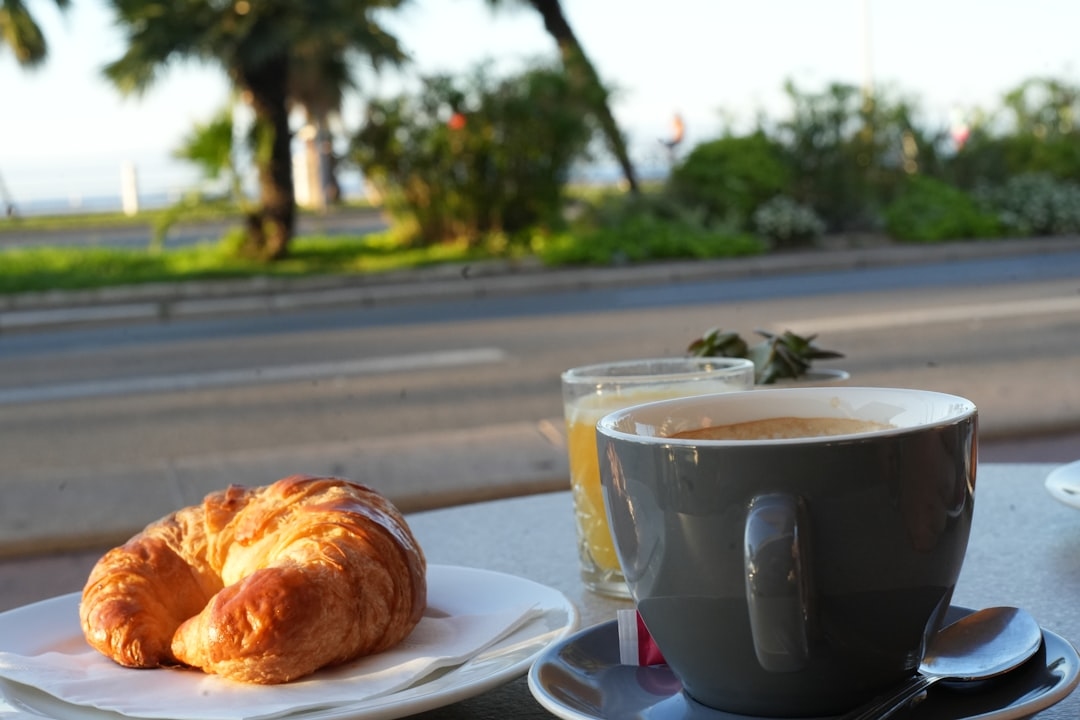
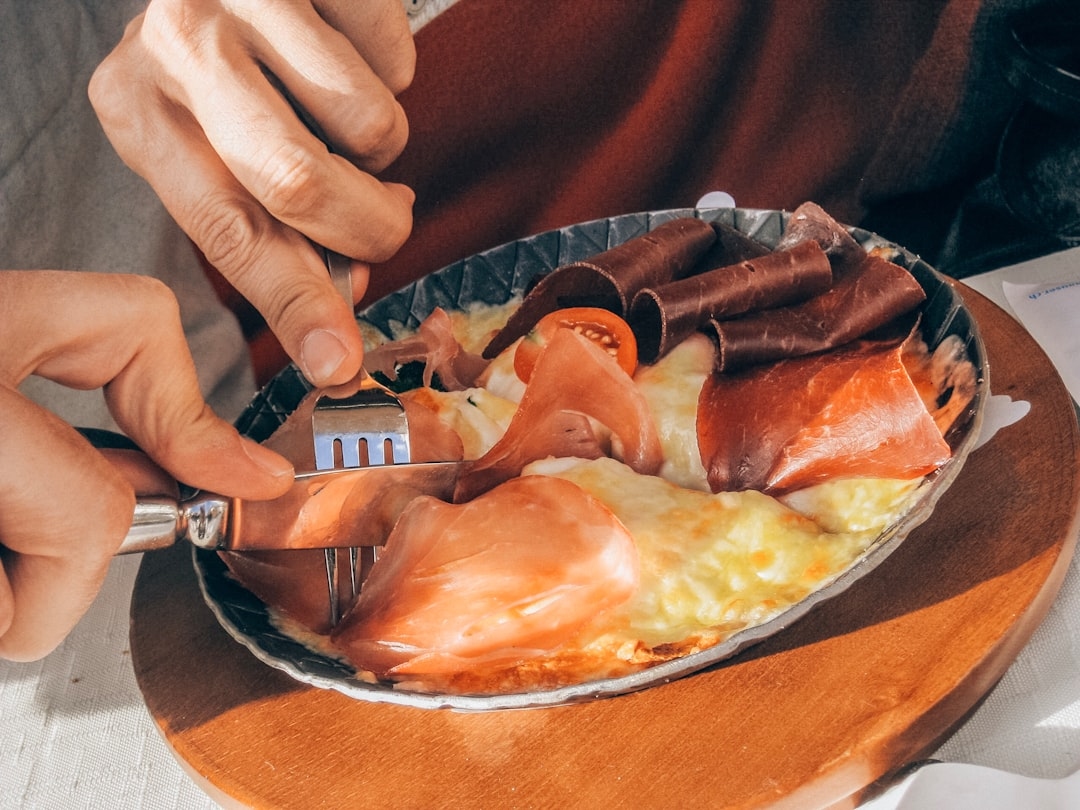
A Swedish household will typically start the day with crispbread topped with butter, cheese, and perhaps a slice of cucumber, alongside a soft-boiled egg and coffee, a combination that balances protein, fiber, and just enough carbohydrate to sustain through a late morning. A German family breakfast often centers on a bread basket with multiple options, a dense rye, a lighter wheat roll, paired with cold cuts, cheese, and a jar of fruit preserve passed around the table, eaten leisurely rather than rushed. A French continental breakfast, lighter than either of those, typically involves just bread or a croissant with butter and a genuine fruit confiture, alongside coffee, reflecting a culture that treats breakfast as the smallest meal of the day rather than the largest.
A Seasonal Timeline Worth Knowing
Fresh fruit preserves are traditionally made at the height of each fruit’s harvest season, apricot and cherry preserves in early to mid-summer, plum preserves in late summer through early fall, and quince preserve in autumn once that fruit ripens. Buying preserves made closest to these harvest windows, rather than mass-produced jam manufactured and stockpiled year-round, generally means a more vibrant, true-to-fruit flavor. Honey harvest similarly follows a seasonal calendar, with most single-origin European honey harvested between late spring and late summer depending on which flower source is being targeted, meaning honey purchased in early fall often reflects the most recent harvest available.
Why Rudcafood Fits Into This Picture
Rudcafood’s breakfast-focused offerings bring together crispbread, genuine fruit preserves, single-origin honey, and traditional muesli under one roof, sourced with the same attention to authenticity that matters across its broader catalog. Rather than assuming every shopper wants a generic “European breakfast box,” the selection is organized so you can build a pantry that actually reflects a specific regional tradition, Scandinavian, German, or French, depending on what you’re trying to recreate. That level of intentional sourcing is exactly why a genuine fruit preserve from this catalog tastes noticeably different from a supermarket jam labeled with similar language but built around a completely different ingredient ratio.
Frequently Asked Questions
What makes European jam different from American jam?
European preserves typically use a higher ratio of real fruit to sugar, often 60% or more fruit content, resulting in a more pronounced fruit flavor compared to many American jams that rely more heavily on added sugar and pectin.
How should muesli actually be prepared?
Traditional preparation involves soaking muesli in milk or yogurt overnight in the refrigerator, softening the oats and melding the flavors, rather than eating it dry with cold milk the way American cereal is typically served.
What is quark, and how is it different from yogurt?
Quark is a fresh, unaged cheese with a texture between yogurt and cream cheese, made using a different culturing process than yogurt, resulting in a thicker consistency and milder tang.
Is single-origin honey actually different from regular honey?
Yes, single-origin honey, made primarily from one flower source like acacia or linden, carries a distinct flavor profile tied to that specific blossom, unlike blended clover honey which standardizes flavor across multiple sources.
Where can I buy authentic European breakfast staples online?
Rudcafood offers a curated selection of authentic European breakfast staples, including crispbread, real fruit preserves, single-origin honey, and traditional muesli, sourced to reflect genuine regional traditions.
Conclusion
Building a European-style breakfast pantry isn’t about following a rigid recipe; it’s about understanding what makes each staple genuinely different from its American supermarket counterpart and choosing accordingly. Once you’ve tasted a real single-origin honey against a generic blend, or a proper high-fruit preserve against a corn-syrup-heavy jam, the difference stops being an abstract idea about tradition and becomes something you can taste at your own table every morning.